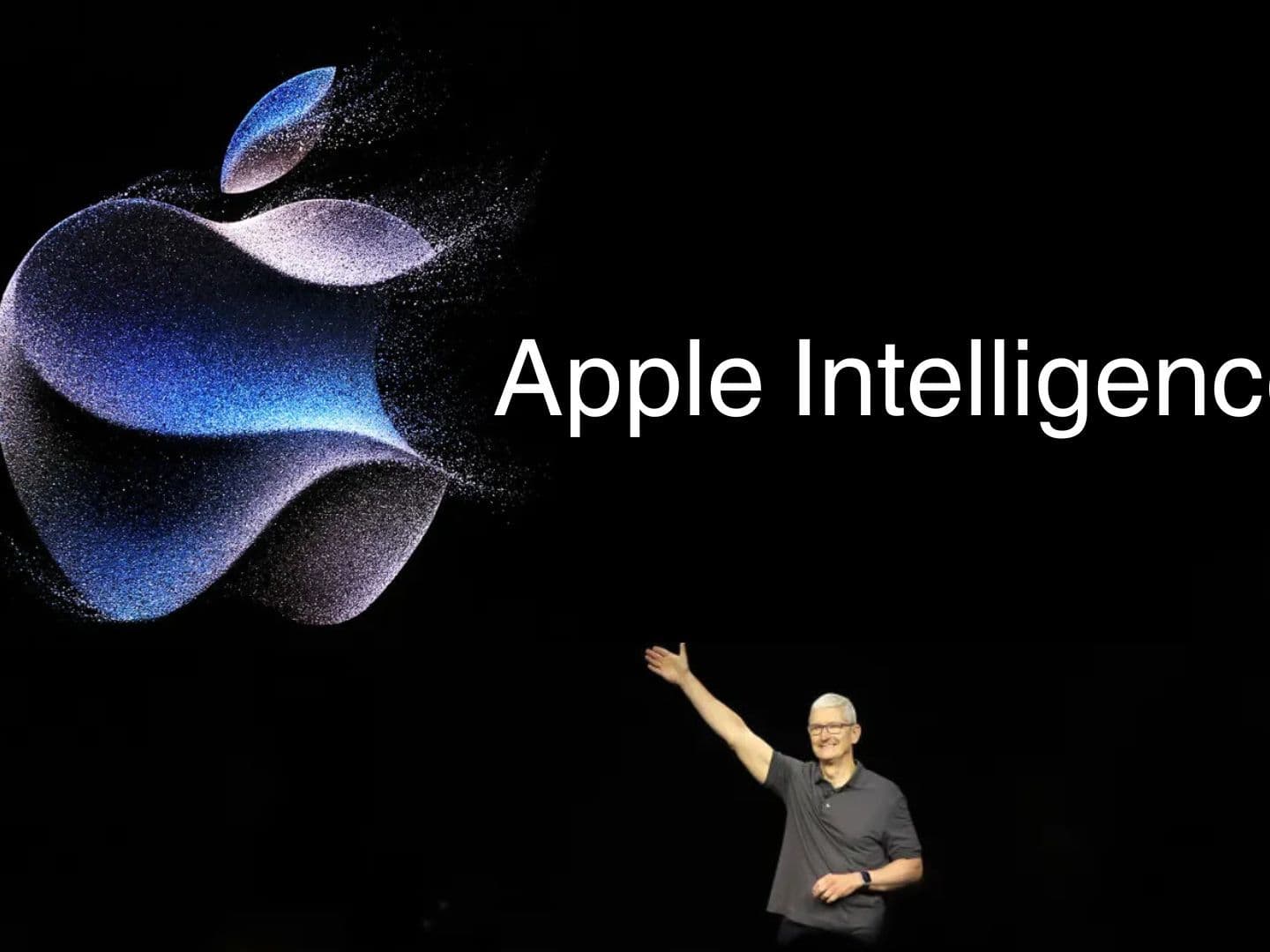
Apple announced Apple Intelligence, a new on-device and cloud-assisted AI system deeply integrated into iOS, macOS, and Siri, with great fanfare. However, many of the most ambitious Siri features — such as contextual awareness across apps, proactive actions, and more natural conversation — have been delayed well beyond initial expectations. More than a year after competitors rolled out consumer-facing AI assistants, Apple’s upgraded Siri remains limited in scope and availability.
At first glance, this delay looks like Apple falling behind in the AI race. Google, Microsoft, and OpenAI have already deployed large-scale AI assistants that can reason, summarize, generate content, and interact conversationally. Apple’s rollout has been cautious, fragmented, and slower than the hype cycle suggested.
But looking deeper, this delay may not be a failure of execution — it may be a deliberate strategic choice. And in the long term, it could put Apple in a stronger position than many of its faster-moving rivals.
Why This Delay Matters
To understand why Apple’s delay matters, you have to understand what kind of AI Apple is trying to build.
Most current AI assistants are essentially:
Apple Intelligence is attempting something fundamentally different:
Privacy-first AI
Heavy reliance on on-device processing
Tight integration with system-level controls
Deep access to personal data (messages, calendar, files) — but without exposing it
This is not a trivial engineering challenge.
Unlike chatbots that live inside apps or browsers, Siri sits at the operating system level. A mistake doesn’t just produce a bad answer — it could:
Send messages incorrectly
Modify system settings
Access sensitive personal data
Break user trust permanently
In that context, being late is not the same as being careless. Apple is building an AI assistant that must be boringly reliable, not just impressive in demos.
Apple’s Historical Pattern: Late, Then Dominant
Apple has a long history of arriving late to new technology categories — and then redefining them.
Examples:
Smartphones existed before the iPhone
Tablets existed before the iPad
Smartwatches existed before Apple Watch
Wireless earbuds existed before AirPods
In each case, Apple waited until:
AI assistants are currently in their experimental phase, even if companies pretend otherwise.
From hallucinations to privacy scandals, today’s AI tools are powerful but fragile. Apple’s delay signals a refusal to ship something half-baked into a role as sensitive as a system-level assistant.
Why Rushing AI Is Dangerous — and Apple Knows It
Other companies rushed AI to market because:
The results have been mixed:
AI assistants confidently give wrong answers
Privacy boundaries remain unclear
Users don’t fully trust AI with personal data
Enterprise adoption is cautious, not explosive
Apple, by contrast, faces a trust asymmetry:
When Apple fails, users feel betrayed
When startups fail, users shrug
Siri controls your phone, your home, your car, and soon — potentially — your health data. A single major AI-related scandal could permanently damage Apple’s brand.
From that perspective, the delay looks less like weakness and more like risk management.
Implications for Users
Casual Users
Most everyday users don’t want a chatbot. They want:
Things done correctly
Minimal configuration
No surprises
A delayed Siri that actually works as promised is better than an early Siri that occasionally sends messages to the wrong person or misinterprets intent.
Power Users
Power users already use third-party AI tools:
They don’t rely on Siri for deep reasoning yet. Apple can afford to let power users multitask across tools while perfecting system-level intelligence.
Privacy-Conscious Users
This is where Apple stands to win big.
Apple Intelligence emphasizes:
On-device inference
Private cloud computing
Minimal data retention
For users uncomfortable with cloud-only AI, Apple’s approach could become the gold standard — even if it arrives later.
Enterprise and Education Users
Institutions care more about:
Compliance
Data boundaries
Predictability
A slower, controlled rollout may make Apple Intelligence more attractive to regulated sectors than fast-moving AI platforms.
Implications for the Industry
Apple’s delay sends a subtle but important signal:
AI doesn’t have to be rushed to be relevant.
If Apple succeeds, it could:
Normalize slower, safer AI development
Push competitors to improve reliability
Shift focus from flashy demos to real utility
It also pressures competitors to answer uncomfortable questions:
How much user data is being stored?
How controllable are AI behaviors?
Who is responsible when AI makes a mistake?
Apple’s silence is, in many ways, louder than others’ announcements.
Comparison: Apple vs Google vs Microsoft
Google
First to market with AI features
Deep data access
Strong research leadership
Still struggling with trust and consistency
Google’s AI feels powerful, but often experimental.
Microsoft
Aggressively integrated AI into products
Enterprise-friendly positioning
Reliant on external AI models
Microsoft wins in productivity but risks over-promising automation.
Apple
Slow
Controlled
Privacy-driven
UX-focused
Apple is betting that AI becomes infrastructure, not spectacle — and infrastructure must be stable.
Criticisms and Legitimate Concerns
The delay is not without risks.
Siri’s Reputation Is Already Weak
Siri has long been criticized as:
Another delay reinforces the perception that Siri is permanently behind.
Developers May Lose Patience
Third-party developers want:
APIs
Predictability
Clear timelines
If Apple drags too long, developers may prioritize other platforms.
Market Perception Matters
Even if Apple is right long-term, short-term narratives matter:
Likely Outcomes and Next Steps
Short Term (Next 6–12 Months)
Gradual rollout of Apple Intelligence features
Conservative Siri improvements
Heavy emphasis on privacy messaging
Medium Term (1–2 Years)
Siri becomes more proactive and contextual
On-device AI becomes a major selling point for new hardware
Apple Intelligence differentiates Apple Silicon devices
Long Term
Siri evolves from command-based assistant to ambient intelligence
Apple sets the standard for consumer-grade, privacy-safe AI
AI becomes invisible — not a product, but a layer
Expert Commentary: A Strategic Delay, Not a Failure
From a strategic standpoint, Apple is playing a different game.
While others chase:
Demos
Headlines
Rapid feature counts
Apple is chasing:
AI assistants will not be judged by who shipped first — but by who users trust with their lives, data, and decisions over the next decade.
In that context, Apple’s delay looks less like a stumble and more like a calculated pause.
Industry Trends That Support Apple’s Approach
Growing concern over AI hallucinations
Regulatory pressure around data privacy
User fatigue with unreliable AI features
Shift from novelty to usefulness
The industry is slowly realizing that AI maturity matters more than AI speed.
Apple may simply be the first to act accordingly.
Final Thought
Apple Intelligence and Siri being over a year late feels disappointing in a hype-driven tech cycle. But history suggests Apple often wins by waiting — not by rushing.
If Apple delivers an AI assistant that is:
Reliable
Private
Deeply integrated
Predictable
Then being late won’t matter.
It will look inevitable.