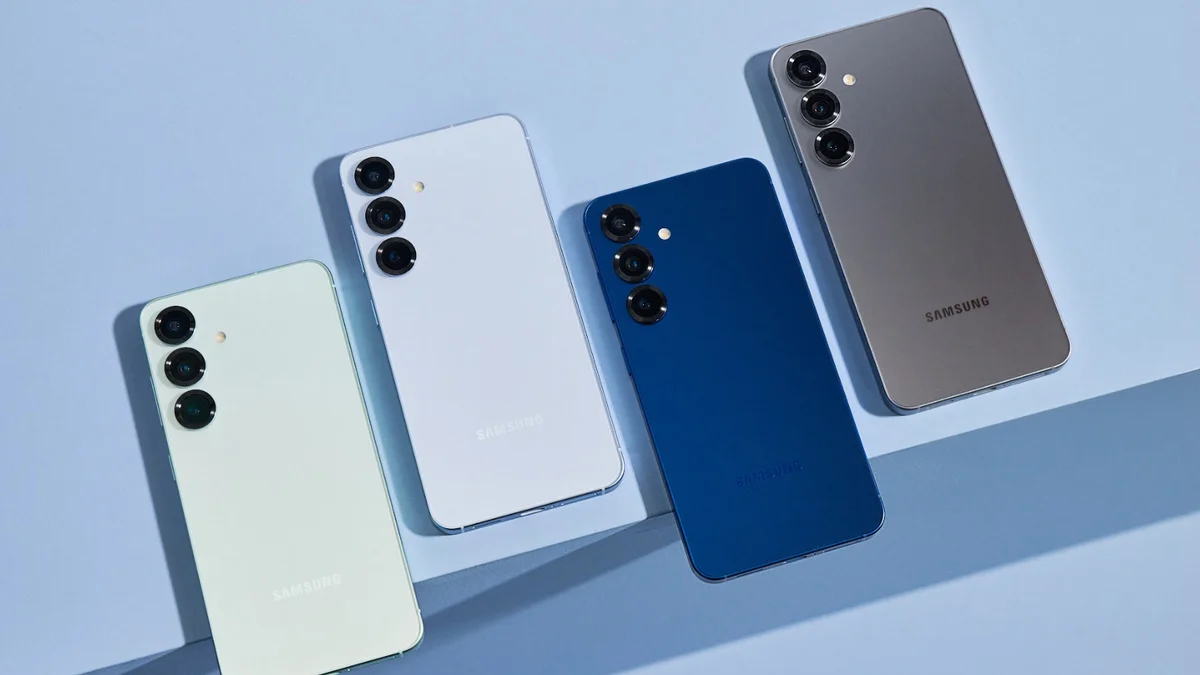
Recent leaks suggest the Samsung Galaxy S26 Ultra will launch in a range of striking color options, confirming rumors about the company’s aesthetic strategy for its 2026 flagship. While the precise shades are reportedly “mysterious and premium,” early images indicate a blend of classic tones like black and silver with new vibrant and gradient finishes aimed at younger audiences and lifestyle-oriented consumers.
While at first glance, a color leak might seem trivial, it offers insight into Samsung’s broader marketing and product strategy. Color choices influence brand perception, consumer demand, and differentiation in a crowded premium segment where Apple, Google, and Xiaomi compete aggressively. The S26 Ultra’s visual appeal is part of a coordinated effort to reinforce Samsung’s premium smartphone identity, aligning with camera upgrades, display enhancements, and performance improvements.
This leak also highlights the competitive pressures in the industry: rivals are increasingly using design, personalization, and user experience as differentiators, while hardware specifications become more homogenized. For consumers, it signals which variant might appeal most, while for competitors, it suggests where Samsung intends to focus its brand and market attention.
1. Broader Context: Why Color Matters
Smartphone color is no longer a secondary consideration:
Aesthetic differentiation: With flagship specs converging (high refresh rate displays, Snapdragon/Exynos chips, high-end cameras), color and finish help distinguish products in-store and online.
Brand positioning: Premium finishes convey luxury and technological sophistication; youthful or bold shades target Gen Z and Millennial buyers.
Market segmentation: Offering multiple colors allows Samsung to appeal to different consumer profiles, from professional users favoring neutral tones to style-conscious users preferring metallic or gradient finishes.
Color strategy also matters globally: East Asian markets often favor bold or pastel tones, while Western markets traditionally prefer classic or minimalist finishes. By confirming the S26 Ultra color lineup, Samsung signals its intent to maintain global relevance while expanding aesthetic experimentation.
2. Implications for Users
Personalization and Choice
Perceived Value
Resale and Accessories
Popular colors often retain resale value better.
Color alignment with cases, accessories, and wearables is increasingly part of user choice.
3. Implications for the Industry and Competitors
Apple
Google
Pixel phones have introduced unique colors (e.g., “Kinda Coral,” “Sorta Seafoam”), targeting niche branding. Samsung’s S26 Ultra colors may overlap with these segments, intensifying competition for style-conscious buyers.
Xiaomi & Oppo
4. Historical Context and Color Trends in Smartphones
Samsung Galaxy S7–S10 Era: Early metallic finishes with classic tones dominated; limited personalization.
Galaxy S20–S23 Era: Introduction of pastel and gradient variants in higher-end Ultra models to differentiate.
Galaxy S24–S25 Era: Increasing experimentation with holographic and matte finishes, signaling a focus on aesthetics beyond hardware.
The S26 Ultra’s leak fits into this trend, emphasizing design evolution as a core strategy, not merely a cosmetic afterthought.
5. Potential Problems or Criticisms
Consumer Confusion
Stock and Availability
Sustainability Concerns
Price Differentiation
6. Strategic Implications for Samsung
Market segmentation: Color strategy aligns with positioning S26 Ultra as both a tech and lifestyle device.
Brand loyalty: Exclusive or new finishes can strengthen fan base and drive pre-orders.
Marketing opportunities: Color launches often coincide with influencer campaigns, unboxing videos, and social media engagement.
Upselling accessories: Exclusive colors encourage sales of matching cases, styluses, and other Samsung ecosystem products.
7. Real-World Scenarios and Use Cases
Professional Users
Likely to choose classic colors (black, silver) for a professional look.
Gradient or metallic variants may be limited to personal devices.
Lifestyle and Young Consumers
Collectors and Enthusiasts
8. Predicting Next Steps
Official unveiling: Samsung may officially reveal the full S26 Ultra color lineup alongside the device launch in Q1–Q2 2026.
Marketing campaigns: Influencers, live demos, and promotional partnerships will emphasize aesthetics.
Accessory ecosystem: Samsung may bundle or promote color-specific accessories for maximum visual impact.
Limited editions: Exclusive colors may be tied to pre-orders or region-specific launches.
9. Expert Commentary on Strategic Decisions
Analysts argue Samsung is leveraging aesthetics as a key differentiator in an increasingly commoditized market:
Hardware parity: Snapdragon/Exynos processors and camera systems are competitive, but not uniquely distinguishing in the premium tier.
Differentiation via style: Colors, finishes, and design cues become primary factors influencing consumer choice.
Long-term brand strategy: Visual identity is central to brand perception, especially when devices have multi-year upgrade cycles.
10. Historical & Industry Trends
Aesthetic innovation increasingly drives premium smartphone sales.
Gradient and holographic finishes are not only consumer-facing design choices but also strategic tools to generate media coverage and social buzz.
Competitor brands (Apple, Pixel, Xiaomi) also invest in limited and vibrant colors, signaling a broader trend in premium smartphone marketing where appearance is as critical as performance specs.
Conclusion
The leak confirming Samsung Galaxy S26 Ultra colors is more than a trivial detail: it represents a deliberate, strategic move in product design, marketing, and consumer engagement.
For users: Color selection enhances personalization and perceived value.
For the industry: Samsung demonstrates how aesthetics, branding, and product identity remain competitive tools even in a crowded premium segment.
For competitors: The S26 Ultra’s colors signal where Samsung is investing attention, guiding rival marketing and design strategies.
Ultimately, while leaks may appear minor, understanding the intersection of color, market strategy, and consumer psychology reveals a much deeper story about how premium smartphones compete beyond raw performance in 2026.