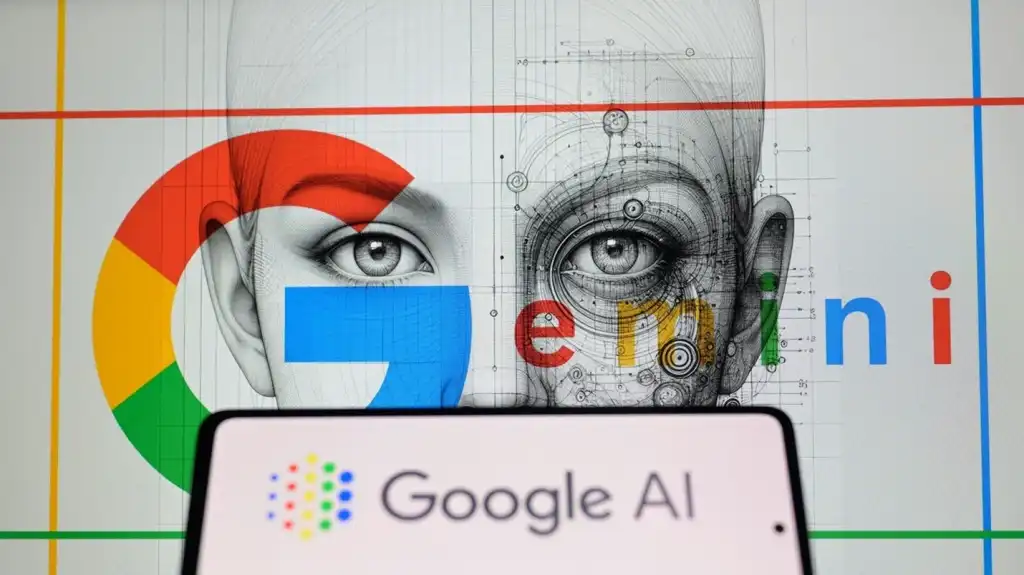
Google is integrating shopping features directly into its Gemini AI assistant, enabling users to browse, compare, and potentially purchase products through conversational AI. At the same time, generative AI is reshaping the film and television industry by accelerating content creation, altering production workflows, and redefining creative roles. Meanwhile, the financial sector is experiencing a surge in AI-related job demand, with banks and financial institutions aggressively hiring technologists to build, manage, and govern AI systems.
Together, these developments reflect a broader shift: AI is no longer experimental infrastructure—it is becoming a core commercial interface, a creative collaborator, and a labor market catalyst. This convergence highlights how AI is embedding itself into everyday economic activity, transforming how consumers shop, how media is made, and how industries compete for skilled talent.
The Bigger Picture: AI Moves From Tool to Platform
What makes these developments significant is not their novelty—but their timing and convergence. AI is transitioning from a background productivity tool into a primary platform layer that sits between users and markets.
Google integrating shopping into Gemini is not simply a feature update. It signals a fundamental reorientation of AI assistants from informational tools to transactional engines. At the same time, generative AI’s growing role in film and TV shows how AI is no longer confined to efficiency gains—it is reshaping creative economics. Meanwhile, finance’s growing appetite for AI talent underscores a broader realization: AI capability is now strategic capital.
These trends collectively suggest that AI is becoming the connective tissue of digital commerce, creativity, and professional labor.
Why Gemini Shopping Matters Strategically
Search Is No Longer Google’s Only Interface
For decades, Google’s dominance rested on search. But conversational AI threatens that model by bypassing traditional search results. By embedding shopping into Gemini, Google is effectively reinventing product search as dialogue.
Instead of typing queries and clicking links, users can ask:
“What’s the best phone under my budget?”
“Compare these two laptops.”
“Which option has better reviews for gaming?”
This collapses multiple steps—search, comparison, decision—into a single conversational flow.
Defensive and Offensive Strategy
Strategically, this move is both defensive and offensive:
If successful, Gemini becomes not just a helper, but a decision broker.
Implications for Users: Convenience vs Control
For consumers, AI-driven shopping promises frictionless convenience. Personalized recommendations, real-time comparisons, and context-aware suggestions could outperform traditional e-commerce browsing.
However, this raises concerns:
Who decides which products Gemini recommends?
As AI becomes the intermediary, users may gain convenience while losing visibility into how decisions are shaped.
Comparisons: How Other Companies Are Moving
Google is not alone. Across the industry, major players are pursuing similar strategies:
AI assistants elsewhere are evolving toward task completion rather than pure information delivery.
E-commerce platforms are experimenting with conversational shopping experiences.
Social platforms are blending AI with commerce discovery.
What differentiates Google is scale: its control over search, advertising, data, and Android gives Gemini unmatched reach. This could entrench Google’s dominance—or invite regulatory scrutiny.
Generative AI in Film and TV: Creative Disruption, Not Replacement
AI as a Production Multiplier
In film and television, generative AI is being adopted not as a replacement for creativity but as a force multiplier:
Script drafts and revisions
Concept art and storyboards
Previsualization and post-production effects
Localization and dubbing
These tools compress timelines and reduce costs, allowing studios to produce more content with fewer resources.
Economic Pressure on Traditional Roles
While AI doesn’t eliminate creativity, it shifts bargaining power. Studios gain leverage, while writers, artists, and editors face pressure to justify value beyond what AI can generate cheaply.
This dynamic explains growing labor tensions: AI increases output but redistributes creative authority.
Historical Context: Technology Has Always Rewritten Media
Every major media shift—sound film, television, digital editing, streaming—sparked fear and resistance. Yet each ultimately expanded the industry.
Generative AI fits this pattern, but with a key difference: it affects ideation, not just execution. That makes it more disruptive psychologically and economically.
The likely outcome is not fewer creators—but fewer traditional pathways into creative work, raising concerns about talent pipelines and originality.
AI and the Financial Sector: Jobs, Not Job Losses
Contrary to Popular Fear
While AI is often framed as a job destroyer, finance tells a more nuanced story. Banks and financial firms are hiring aggressively for:
Machine learning engineers
AI risk and compliance experts
Data scientists
AI governance specialists
Rather than replacing humans, AI is creating new layers of responsibility.
Why Finance Is Leading
Finance has three characteristics that make AI adoption intense:
Massive structured data
High margins justify investment
Regulatory scrutiny demands explainable systems
As a result, AI does not reduce headcount—it reshapes it, favoring hybrid professionals who understand both technology and domain risk.
Demand for Tech Experts: A Structural Shift
The rising demand for AI talent across industries reflects a deeper labor trend. AI expertise is becoming:
This drives up salaries, intensifies global competition for talent, and widens the gap between AI-enabled firms and laggards.
Crucially, it also shifts power toward engineers, architects, and AI strategists.
Implications for Different User Segments
Consumers
Faster decisions, personalized experiences
Reduced choice transparency
Growing reliance on AI judgment
Creators and Artists
Lower barriers to production
Increased competition from AI-assisted content
Pressure to differentiate through originality and brand
Businesses
AI becomes a core interface with customers
Marketing shifts from SEO to AI visibility
Dependence on platforms like Google increases
Tech Professionals
Rising demand and compensation
Need for continuous upskilling
Greater influence on business strategy
Potential Problems and Criticisms
1. Algorithmic Bias and Manipulation
AI shopping systems can subtly favor certain products, shaping markets invisibly.
2. Creative Homogenization
AI-generated content risks converging toward familiar patterns, reducing diversity.
3. Market Concentration
When AI platforms control discovery, smaller players struggle for visibility.
4. Trust and Transparency
Users may not know whether recommendations are optimized for value—or profit.
Strategic Analysis: Why These Moves Are Happening Now
Three forces converge:
Model maturity – AI systems are finally reliable enough for high-stakes use.
Competitive pressure – No company can afford to lag.
Monetization urgency – AI is expensive; commerce integration funds innovation.
Google’s Gemini shopping push is as much about revenue sustainability as user experience.
Predictions: What Comes Next
AI assistants will become default shopping interfaces.
Film and TV contracts will formalize AI usage rules.
Financial regulators will mandate AI transparency.
AI literacy will become a baseline professional skill.
Platform dominance will intensify regulatory scrutiny.
Most importantly, AI will increasingly shape outcomes, not just inform them.
Expert Commentary: A Strategic Inflection Point
These developments mark a shift from AI as augmentation to AI as infrastructure. When AI mediates commerce, creativity, and labor markets, it ceases to be neutral technology—it becomes economic architecture.
The winners will be those who:
The risks are not technological failure—but concentration of influence in systems users barely understand.
Conclusion: AI Is Becoming the Operating System of the Economy
Google integrating shopping into Gemini, generative AI reshaping media, and finance’s AI hiring surge are not isolated stories. They are symptoms of a deeper transformation: AI is becoming the operating system through which economic activity flows.
The question is no longer whether AI will change industries—but who controls the layers where decisions are made.
That battle has already begun.