The Google Pixel 10a is the latest subject of smartphone leaks and early rumor mill attention for 2026. Successor to the well-regarded Pixel 9a, the Pixel 10a appears set to follow the tried-and-true Pixel “a-series” formula: premium Google software, strong camera chops, useful AI features, and accessible pricing. But unlike earlier generations, leaks suggest the Pixel 10a may feel more like a refinement than a reinvention — and that has important implications for users, competitors, and Google’s mid-range strategy.
Here’s a deep dive into what the Pixel 10a is rumored to offer, how it stacks up in the broader smartphone landscape, and whether it’s worth anticipating or skipping.
Summary of Leaks and Expectations (Current Snapshot)
According to recent reports and leak aggregates:
The launch date is likely mid-February 2026, possibly February 17.
Pricing for European markets is tipped at around €500 for the 128GB model and €600 for 256GB — potentially cheaper than the Pixel 9a launch price.
Core specs include a 6.3-inch OLED screen with ~120Hz refresh, an upgraded Tensor G4 chipset, 8GB RAM, and 5,100 mAh battery capacity.
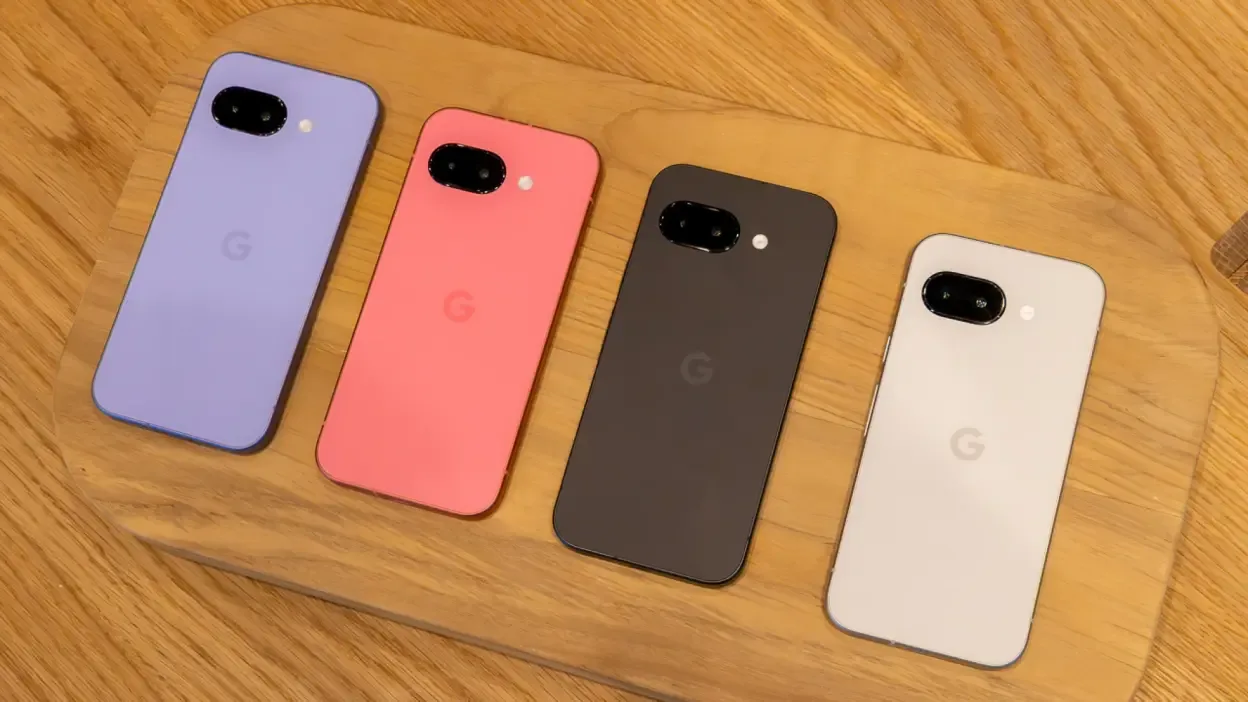
Design is expected to be largely unchanged from the Pixel 9a, with a flat back, pill-shaped dual camera bar, and relatively thick bezels.
Colors leaked include Obsidian, Berry, Lavender, and Fog.
Storage options will likely be 128GB and 256GB variants.
These rumors paint a portrait of a phone that is evolutionary rather than revolutionary, with modest hardware bumps and pricing that may even be slightly more aggressive than its predecessor.
What Makes the Pixel 10a Different from Predecessors and Competitors
Compared to the Pixel 9a
The Pixel 10a appears to emphasize incremental gains rather than major innovation:
Tensor G4 Chipset: A refined version over the Pixel 9a’s G3 (or equivalent), prioritizing efficiency and AI tasks more than raw performance.
Battery and Refresh Rate: A large 5,100 mAh battery with a smooth display supports everyday use without much compromise.
Design Continuity: Google appears to be sticking with the Pixel 9a’s aesthetic, which may disappoint those hoping for a refresh.
Compared to Competitors
In the mid-range segment, the Pixel 10a must contend with:
Samsung A-series phones with versatile hardware and strong ecosystem integration
Apple iPhone SE models that capture iOS users on a budget
Xiaomi and Oppo devices that often undercut prices with competitive specs
The Pixel 10a’s advantage historically has been its software experience — clean Android, timely updates, and pixel-optimized camera capabilities — rather than sheer specs on paper.
Real-World Use Cases and Who Should Care
1. Everyday Smartphone Users
For the average user who needs a reliable device for social media, messaging, streaming, and basic productivity, the Pixel 10a delivers:
A smooth UI on Android with Google’s optimizations
Long software support (Pixel phones usually get at least 7 years of updates with a-series)
A strong battery life and display for daily use
2. Photography Enthusiasts
Despite a dual-camera setup that isn’t groundbreaking, Pixel devices have consistently excelled in camera software processing, delivering great results even without flagship hardware.
3. Value-Focused Buyers
Those who want flagship-like software perks — such as Google’s AI features, Magic Editor, and advanced photo tools — without the flagship price tag will find the Pixel 10a appealing.
4. AI and Software-Centric Users
Google’s emphasis on AI and software features — such as Magic Editor and Circle to Search — means the 10a may feel more “intelligent” than similarly priced Android competitors.
Technical Analysis of Key Features
Display Technology
The Pixel 10a is rumored to use a 6.3-inch OLED display with a 120Hz refresh rate. OLED displays offer vibrant colors and deep blacks, while high refresh rates contribute to smoother animations and scrolling — a welcome upgrade over sub-90Hz panels common in older mid-range models.
Chipset and Performance
Rather than adopting the latest flagship silicon (e.g., Tensor G5 or G6), Google is expected to fit a Tensor G4 chipset into the 10a. This is a strategic compromise:
The same architecture ensures software enhancements via Android and Tensor AI features
Performance should be adequate for everyday use and moderate multitasking
Efficiency may improve battery life over previous generations
However, it will not compete benchmark-to-benchmark with Snapdragon 7 or 8-series counterparts in raw throughput.
RAM and Storage
With 8GB RAM and 128GB base storage — and an optional 256GB tier — the Pixel 10a positions itself well in the mid-range segment. It strikes a balance between multitasking capacity and cost management.
Battery and Charging
A 5,100 mAh battery suggests solid all-day use, but charging speeds rumored to hover around 23W (or similar) are modest compared to some competitors offering 30–65W fast charging.
Camera Hardware
The dual camera array (48MP main + 13MP ultrawide plus a 13MP selfie camera) follows the Pixel legacy of excellent computational photography even if the hardware isn’t cutting-edge.
Potential Problems or Limitations
1. Incremental Upgrades
Leaks suggest very modest improvements over the Pixel 9a. This raises questions about value propositions for existing Pixel owners.
2. Design Familiarity
Repeated design language with thick bezels has raised eyebrows among enthusiasts, and some early discussions highlight aesthetic fatigue. Mid-range buyers increasingly want visually modern designs — not recycled styling.
3. Charging Speed
Modest charging speeds may detract from user experience, especially against competitors with much faster charging.
4. Chipset Ceiling
Using Tensor G4 rather than a newer Tensor variant means performance may lag behind rivals with newer silicon — especially in GPU-heavy tasks like gaming.
5. Market Expectations
Rumors of a price cut or at least competitive pricing may set expectations too high — and if Google prices it similar to Pixel 9a levels, some buyers may perceive it as “small upgrade, same price.”
Price-to-Value Assessment
If pricing truly lands around €500 (~₹45,000–₹50,000) for the base model and ~€600 (~₹55,000–₹60,000) for 256GB, that would:
This is historically Google’s sweet spot — software value over spec sheet specs.
However, if pricing stays level with the Pixel 9a’s launch price instead of dipping as some leaks suggest, the incremental upgrades could feel less compelling.
Buying Recommendations for Different User Types
Best For:
Software-centric users who want clean Android and long support
Photography enthusiasts who value image processing
Value buyers seeking flagship features at a mid-range price
AI and Google ecosystem loyalists
Consider Alternatives If:
You crave the very latest performance for gaming
You’re focused on super-fast charging
You want cutting-edge industrial design
You prioritize flagship-level cameras
What Reviewers and Experts Are Saying (With Interpretation)
Analysts and reviewers looking at early leaks are split:
Some praise Google for holding the line on software updates and camera processing, a Pixel strength even at mid-range prices.
Others critique the lack of substantive hardware innovation, arguing that reusing design and chipset tech may make the 10a feel like a stopgap.
A few voices note that design stagnation and modest charging speeds could hurt its appeal compared to trendier rivals.
This feedback highlights a central tension in mid-range phones: matching cost control with user expectations for innovation.
How This Fits into Broader Industry Trends
1. Mid-Range Value Wars
Smartphone makers increasingly are:
Passing flagship software down
Stretching AI features to mid-range
Fine-tuning value segments
Pixel 10a fits this trend — albeit with conservative hardware.
2. Software as Differentiator
Hardware parity across mid-range phones has led to software experience becoming a key selling point. Pixel’s clean Android and fast updates play into that.
3. AI Enhancements in Mid-Range Devices
Mid-range phones are no longer just hardware compromises — they are AI-enhanced everyday tools. Whether Google leans into Pixel AI features more than specs could be decisive.
4. Price Sensitivity and Economic Context
Pressures like memory cost inflation ripple through pricing strategy. A rumored price cut signals Google’s awareness of broader market strain on consumer wallets, not just smartphone performance wars.
Final Thoughts
The Google Pixel 10a, based on current leaks, appears to be Google’s play at refining a winning formula rather than reinventing it: excellent software, capable cameras, competitive battery life, and accessible pricing.
What makes it interesting is not a radical reinvention, but how Google balances:
Software value vs hardware limitation
AI enhancements vs commodity components
Pricing strategy vs competitive pressure
For many buyers, the Pixel 10a may be exactly the right balance — especially if priced attractively and supported with long-term updates. For enthusiasts looking for dramatic leaps, it might feel underwhelming.
Ultimately, its success will depend not just on specs, but on how Google communicates the value of software, updates, and real-world performance in a crowded mid-range field.