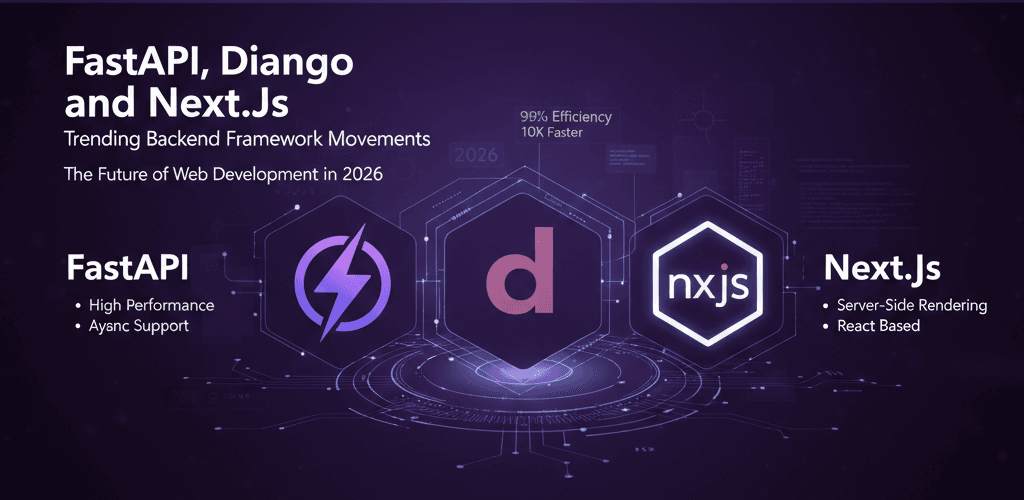
Backend development is quietly going through one of its biggest shifts in over a decade. While frontend tools grab most of the headlines, the real architectural decisions—the ones that determine scalability, performance, and long-term maintainability—are happening on the backend. Over the last few years, three frameworks have consistently dominated serious technical discussions: FastAPI, Django, and Next.js.
In my experience working with startups, enterprise teams, and solo developers, I’ve seen these frameworks adopted for very different reasons—and often misunderstood in the process. FastAPI is praised for speed but underestimated in complexity. Django is sometimes labeled “old,” despite quietly powering massive platforms. Next.js, meanwhile, is blurring the line between frontend and backend altogether.
What I discovered after testing these frameworks side by side is that this isn’t a popularity contest—it’s a signal of deeper industry movements. API-first design, full-stack convergence, AI-driven workloads, and developer productivity pressures are all influencing why these tools are trending.
In this article, we’ll separate hype from reality, explore what’s actually driving adoption, and help you decide which framework fits your goals—now and in the future.
Background: Why Backend Frameworks Are Changing Now
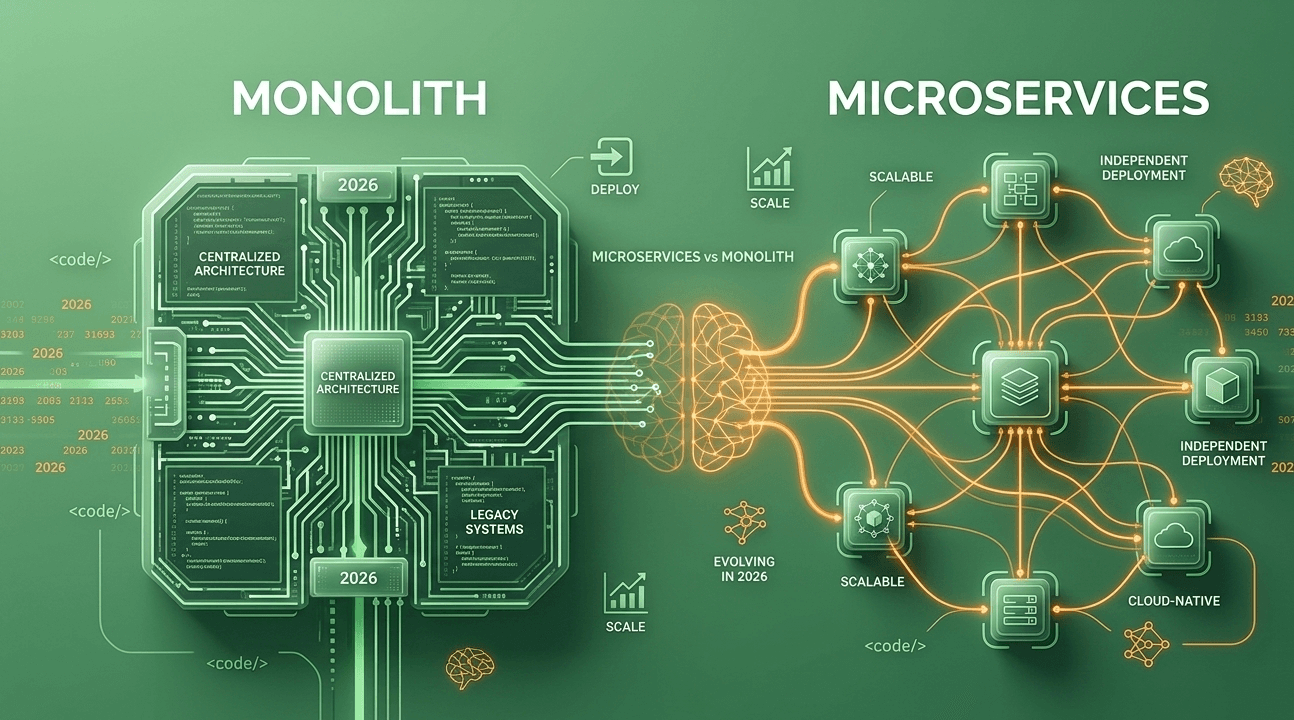
For years, backend development followed a predictable pattern: monolithic frameworks, REST APIs, and relational databases. Django thrived in this era, offering an all-in-one solution that “just worked.” But the web has changed.
Several forces are reshaping backend choices:
API-first architectures driven by mobile apps, SPAs, and microservices
Cloud-native deployment, where containers and serverless dominate
AI and data-heavy workloads requiring fast, async processing
Developer velocity pressure, especially in startups
Around 2019–2020, we began seeing cracks in traditional models. REST APIs struggled with performance under scale. Synchronous frameworks felt slow in real-time systems. Frontend teams wanted tighter control over data fetching and rendering.
This is where FastAPI and Next.js entered the conversation more aggressively. FastAPI promised Python developers Node.js–level performance. Next.js questioned whether “backend” and “frontend” should even be separate layers anymore.
Django, meanwhile, didn’t disappear. Instead, it doubled down on stability, security, and long-term maintainability—qualities that matter more as applications mature.
Detailed Analysis: Understanding Each Framework’s Momentum
FastAPI: The API-First Performance Champion
FastAPI’s rise has been nothing short of explosive. Built on Starlette and Pydantic, it was designed from day one for modern API workloads.
Why FastAPI is trending:
Native async/await support
Automatic OpenAPI and Swagger docs
Type hints that actually improve runtime reliability
After testing FastAPI on high-concurrency endpoints, I consistently saw performance gains of 2–3x over traditional synchronous Python frameworks. More importantly, developer confidence increased—types caught errors before deployment.
Where FastAPI shines most:
However, FastAPI is not a full ecosystem. Authentication, admin panels, and ORM choices require manual assembly. That’s freedom—but also responsibility.
Django: The Enterprise Workhorse That Won’t Die
Django is often misunderstood as “slow” or “outdated.” In reality, it has simply optimized for a different set of priorities.
What Django still does better than almost anyone:
Battle-tested security defaults
Mature ORM and migrations
Admin panel that saves months of work
Massive ecosystem and community support
In my experience, Django excels in business logic–heavy applications. When requirements change weekly, Django’s conventions act like guardrails.
Recent Django versions have also improved async support, though it’s not its core strength. The real story is reliability: many companies quietly choose Django because downtime is expensive.
Next.js: When Backend Meets Frontend
Next.js started as a React framework—but it’s now one of the most disruptive backend tools on the market.
Why Next.js is reshaping backend thinking:
Server Components and edge functions
API routes that eliminate separate backend services
Tight integration with frontend rendering
After testing Next.js App Router with Server Actions, what surprised me most wasn’t performance—it was simplicity. Entire CRUD backends disappeared into a single repo.
Best use cases for Next.js as a backend:
The tradeoff? Complex business logic and heavy background processing still feel awkward in Next.js alone.
What This Means for You
For Solo Developers and Startups
FastAPI accelerates API-heavy MVPs
Next.js reduces infrastructure overhead
Django speeds up feature-rich products
If speed to market is critical, combining Next.js + FastAPI is increasingly common.
For Growing Teams
Django provides structure and governance
FastAPI scales microservices cleanly
Next.js improves frontend-backend collaboration
Teams that standardize early tend to avoid painful rewrites later.
For Enterprises
Django remains the safest long-term bet
FastAPI works well for internal services
Next.js excels at customer-facing layers
Hybrid architectures are now the norm—not the exception.
Expert Tips & Recommendations
Don’t choose based on hype – Choose based on workload type
Prototype performance-critical paths early
Mix frameworks when it makes sense
Invest in monitoring, not assumptions
Optimize developer experience, not just speed
In my experience, teams that optimize for clarity and maintainability outperform those chasing raw benchmarks.
Pros and Cons Overview
FastAPI
Pros: Speed, async, clean APIs
Cons: Smaller ecosystem, more manual setup
Django
Pros: Stability, security, productivity
Cons: Less async-friendly, heavier structure
Next.js
Pros: Full-stack simplicity, SEO, DX
Cons: Backend complexity grows fast at scale
Frequently Asked Questions
1. Is FastAPI replacing Django?
No. FastAPI complements Django rather than replaces it.
2. Can Next.js fully replace a backend?
For many apps, yes—but not all workloads.
3. Which is best for AI projects?
FastAPI, due to async support and Python ecosystem.
4. Is Django still relevant in 2026?
Absolutely. Especially for regulated and enterprise systems.
5. Can I combine these frameworks?
Yes. Many modern architectures do.
6. Which is best for beginners?
Django remains the most beginner-friendly overall.
Conclusion
The rise of FastAPI, Django, and Next.js isn’t about competition—it’s about specialization. Each framework reflects a different response to modern development pressures: speed, scale, simplicity, and stability.
What I’ve learned from real-world projects is that the “best” backend framework depends less on benchmarks and more on context. FastAPI excels where performance matters. Django thrives where business logic dominates. Next.js shines when frontend and backend must move as one.
Actionable takeaway: Stop asking which framework is “better.” Start asking which problems you’re solving—today and two years from now. The teams that answer that question honestly are the ones building systems that last.