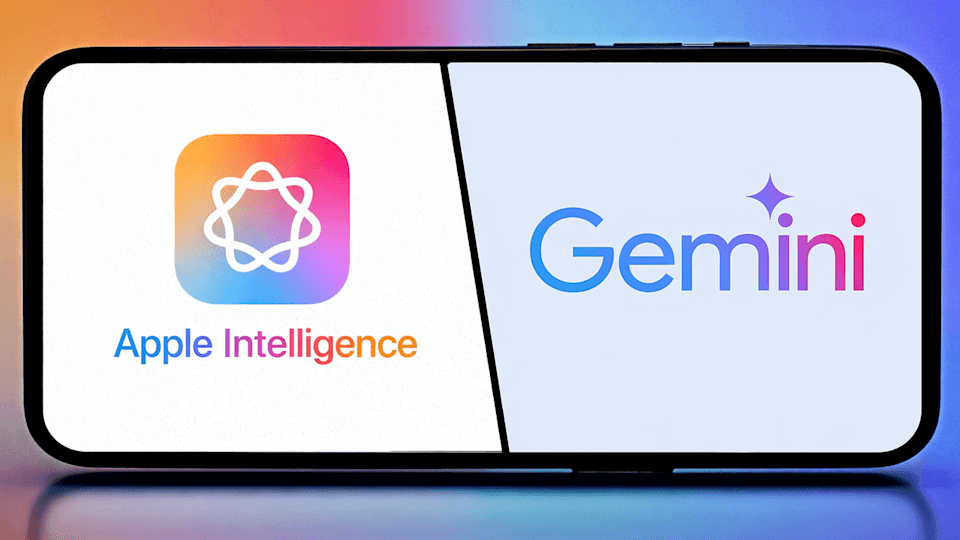
Google’s unveiling of Gemini Personal Intelligence signals a major evolution in how AI assistants operate. Instead of responding to isolated prompts, Gemini is designed to understand users across time, context, and intent—drawing from emails, calendars, documents, preferences, and behavior to act proactively. This marks a shift away from reactive assistants toward persistent, personalized intelligence.
While Google positions this as a Gemini milestone, its implications stretch far beyond Google’s ecosystem. For Apple—whose Siri has long lagged behind in conversational intelligence—Gemini Personal Intelligence effectively previews what a modern assistant must deliver. With Apple reportedly reworking Siri’s architecture and integrating large language models more deeply, Gemini offers a real-world reference point for what users will soon expect.
The story isn’t about features—it’s about a new mental model for assistants: AI that understands you, not just what you ask. That shift reshapes competition, privacy debates, and the future role of voice assistants across consumer and professional life.
The Broader Context: Why This Moment Matters
For more than a decade, digital assistants have promised intelligence but delivered automation. Siri, Google Assistant, and Alexa excelled at commands—set alarms, play music, send messages—but failed at understanding humans holistically.
The AI boom changed expectations. Large language models demonstrated:
Gemini Personal Intelligence represents Google’s attempt to fuse these capabilities into a persistent personal layer, something assistants historically avoided due to privacy, compute, and architectural constraints.
This matters because:
Assistants are no longer optional UI layers—they are becoming primary computing interfaces
Whoever controls personal intelligence controls user attention, workflows, and ecosystems
Siri’s relevance hinges on Apple’s ability to match this paradigm shift without abandoning its privacy-first identity
Gemini is not just a Google product—it’s a challenge to Apple’s long-standing assistant philosophy.
What Gemini Reveals About the Future of Siri
1. From Commands to Cognition
Traditional Siri operates on request-response logic. Gemini demonstrates a different model:
Understanding intent across time
Connecting disparate data points
Acting without explicit prompting
For Siri to remain competitive, Apple must transform it from:
“What can I do for you right now?”
to
“Here’s what you’ll likely need next—and why.”
This requires a fundamental architectural shift, not incremental updates.
2. Persistent Context Is the New Baseline
Gemini remembers:
User preferences
Ongoing projects
Communication patterns
Behavioral signals
Apple’s future Siri must do the same—but locally, securely, and transparently. That’s a harder technical challenge but aligns with Apple’s strengths in on-device processing.
Implications for Users
Everyday Consumers
Less repetition, fewer commands
Assistants that anticipate needs
Reduced friction in daily tasks
Siri could evolve from a novelty to a daily cognitive assistant.
Professionals and Power Users
This positions Siri as a productivity tool rather than a convenience feature.
Privacy-Conscious Users
Apple has an opportunity to differentiate:
On-device memory
Explicit user controls
Clear data boundaries
If done right, Apple can offer personal intelligence without surveillance.
Industry Implications: A New Competitive Battlefield
Google vs Apple
Gemini forces Apple to accelerate AI investment or risk irrelevance.
Amazon’s Alexa Problem
Gemini highlights how far Alexa has fallen behind. Without a comparable intelligence layer, Alexa risks becoming obsolete.
Enterprise Spillover
Personal intelligence will not stay consumer-only. Expect:
Apple’s delay here could cost it enterprise relevance.
Comparison to Similar Moves
Microsoft Copilot
OpenAI ChatGPT
Gemini’s edge lies in continuous personal grounding, something Siri must replicate to stay relevant.
Potential Problems and Criticisms
1. Privacy Anxiety
Persistent intelligence raises fears:
Apple must over-communicate safeguards to avoid backlash.
2. Over-Automation Risks
Too much proactivity can feel intrusive:
Wrong assumptions
Mistimed suggestions
Reduced user agency
Siri must learn restraint, not just intelligence.
3. Trust Calibration
An assistant that “knows you” must also:
Explain its reasoning
Allow corrections
Adapt quickly when wrong
Failure here erodes trust fast.
Historical Context: Why Siri Fell Behind
Siri launched early but stalled due to:
Gemini underscores what happens when assistants are rebuilt from the ground up using LLM-native designs. Apple’s current Siri overhaul mirrors this realization—but years later.
Strategic Commentary: Apple’s High-Stakes Bet
Apple faces a strategic crossroads:
The likely strategy:
This approach is slower—but potentially more sustainable.
Predictions: What Comes Next
Short Term (1–2 years)
Siri gains contextual awareness
Deeper app-level intelligence
Smarter proactive suggestions
Mid Term (3–4 years)
Long Term
Assistants become personal operating systems
Voice and text merge into ambient intelligence
Platform loyalty increases dramatically
What This Means for Different User Segments
Casual Users
Tech Enthusiasts
Developers
Why Gemini Is Siri’s Most Important Wake-Up Call
Gemini Personal Intelligence doesn’t threaten Siri directly—it defines the minimum standard for the next generation of assistants.
Apple no longer competes on features. It competes on:
Gemini shows what’s possible. Siri’s future will show whether Apple can deliver something better—not louder, not flashier, but more human.
Final Thought
The race for AI supremacy isn’t about who answers questions best—it’s about who understands users best over time.
Gemini Personal Intelligence previews that future clearly. Now the question isn’t whether Siri will change—but whether Apple can evolve Siri fast enough to matter in a world where intelligence is personal, persistent, and expected.