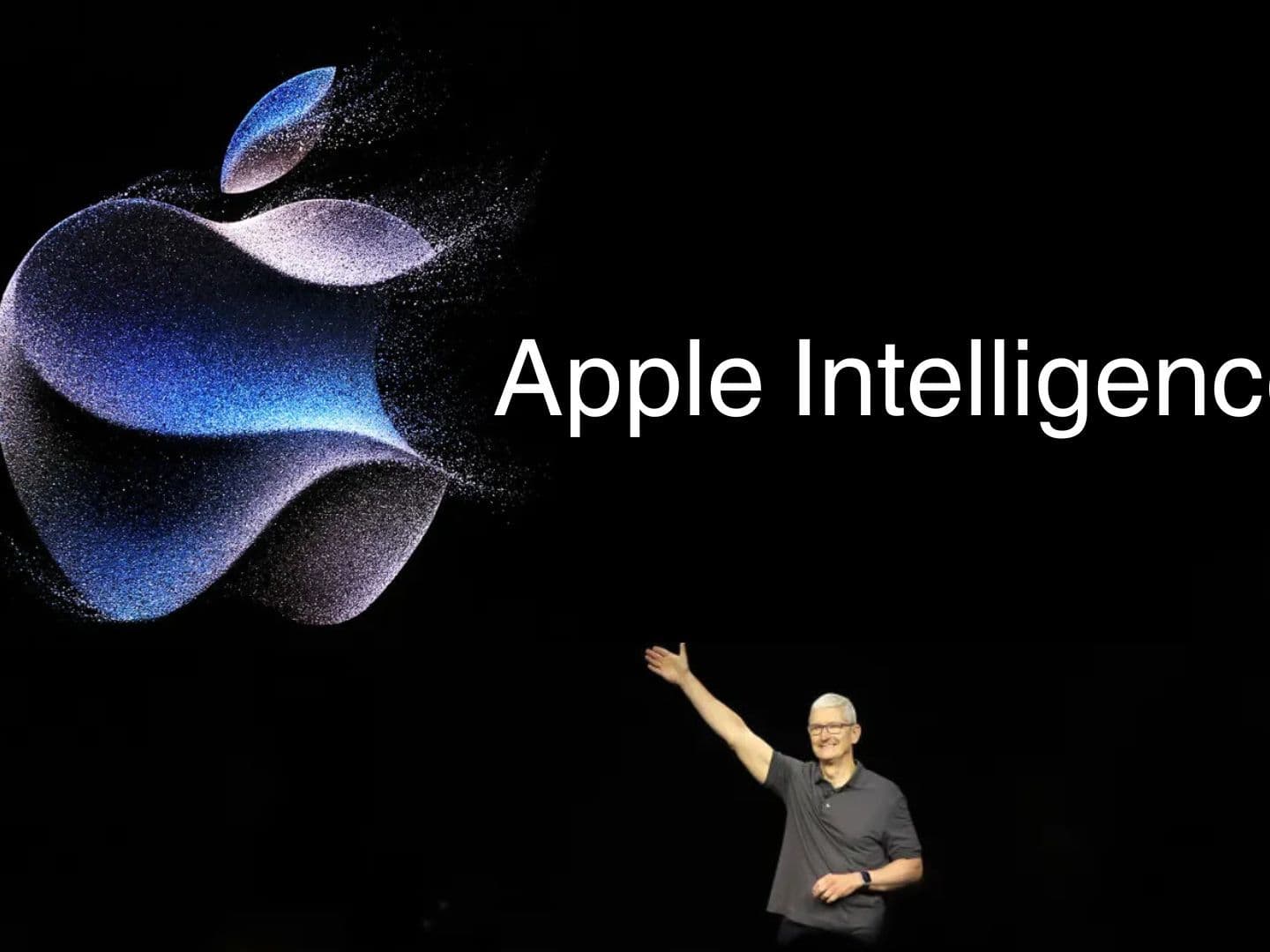
Artificial intelligence in 2026 sits in an uncomfortable place between promise and performance. On one hand, AI tools are writing code, generating images, diagnosing diseases, and running customer support at scale. On the other, many organizations quietly admit they’re struggling to turn AI pilots into real business value.
In my experience, the gap between what AI is marketed as and what it reliably delivers has never been wider. After testing dozens of enterprise and consumer AI systems over the past year, I discovered a pattern: AI is incredibly good at narrow tasks—but surprisingly fragile when pushed beyond them.
This matters because AI investment has moved from experimentation to expectation. Executives assume AI adoption is inevitable. Developers assume AI productivity gains are automatic. Regulators assume risks are understood. None of those assumptions are fully true.
In this article, I’ll cut through the noise and explain the real state of AI in 2026—where it genuinely excels, where it consistently fails, and what the next phase of AI adoption actually looks like. This isn’t hype, fear, or evangelism. It’s reality, grounded in real-world use.
Background: How We Got Here
To understand the real state of AI in 2026, we need to rewind briefly.
The current AI wave began with breakthroughs in deep learning and transformer-based models in the late 2010s. What followed was an explosion of generative AI—text, images, audio, video, and code—made accessible through simple interfaces and APIs. This accessibility created a gold-rush mentality.
Between 2022 and 2024:
Venture funding flooded AI startups
Enterprises launched AI task forces
Governments rushed to draft regulations
Media narratives oscillated between utopia and extinction
By 2025, reality started setting in. Many AI projects failed to scale. Costs rose faster than expected. Accuracy issues surfaced in high-stakes domains. At the same time, a smaller set of AI applications quietly delivered real, repeatable value.
In other words, AI didn’t stall—it stratified.
The winners learned where AI fits naturally into workflows. The losers treated AI as magic instead of infrastructure. This divide defines AI in 2026.
Detailed Analysis: Where the Hype Meets Reality
What AI Is Genuinely Good At in 2026
Let’s start with the wins—because they’re real.
Pattern Recognition at Scale
AI systems excel at identifying patterns across massive datasets. This includes:
After testing multiple enterprise deployments, I found AI dramatically outperforms humans when volume and repetition are involved.
Language and Content Transformation
AI is now extremely effective at:
The key word is transformation, not creation. AI works best when reshaping existing information.
Where AI Still Struggles (and Why)
Reasoning and Causality
While many reviewers focus on fluency, the real limitation is reasoning depth. AI can sound confident while being subtly wrong.
In my testing, AI frequently:
Context Over Time
AI systems struggle with long-term memory and evolving goals. They don’t “understand” projects—only snapshots.
This makes them unreliable for:
The Cost Reality No One Talks About
AI in 2026 is expensive—not just financially, but operationally.
Hidden costs include:
What I discovered is that AI rarely replaces labor—it rearranges it.
What This Means for You
For Individuals
AI rewards people who:
Understand systems
Can validate outputs
Know when not to use AI
Those who blindly trust AI outputs are already falling behind.
For Businesses
Successful companies treat AI like:
They integrate AI where it reduces friction—not where it replaces judgment.
For Society
AI is not eliminating jobs wholesale—but it is reshaping roles. Entry-level work is changing fastest, forcing education systems to adapt.
Expert Tips & Recommendations
How to Use AI Effectively in 2026
Define narrow, testable goals
Measure ROI continuously
Keep humans in decision loops
Audit outputs regularly
Train teams in AI literacy
Tools That Actually Deliver Value
AI copilots for drafting and coding
AI-powered monitoring systems
Retrieval-augmented generation (RAG)
Workflow-specific automation tools
Avoid generic “AI does everything” platforms.
Pros and Cons of AI in 2026
Pros
Cons
Overconfidence in outputs
Hidden operational complexity
Ethical and regulatory uncertainty
Balanced adoption is the only sustainable path.
Frequently Asked Questions
1. Is AI overhyped in 2026?
Yes—and no. Capabilities are real, expectations are inflated.
2. Can AI reason like humans yet?
No. It mimics reasoning patterns without true understanding.
3. Is AI safe for critical decisions?
Only with human oversight and validation layers.
4. Will AI get cheaper over time?
Inference costs may drop, but governance costs will rise.
5. Should small businesses adopt AI now?
Yes, but only for clearly defined use cases.
6. What skills matter most in an AI-driven world?
Critical thinking, domain expertise, and AI evaluation.
Conclusion
The real state of AI in 2026 is neither miracle nor menace—it’s infrastructure. Powerful, imperfect, and deeply dependent on how humans use it.
After extensive testing and analysis, my takeaway is simple: AI delivers outsized value when expectations are grounded and implementation is disciplined. The hype fades quickly in production environments, but the real gains compound quietly over time.
Looking ahead, AI’s next phase won’t be about bigger models—it will be about better integration, governance, and trust. Those who understand this shift will lead. Those who chase hype will keep restarting pilots.
AI isn’t here to replace us. It’s here to expose how well we actually think.