APIs have quietly become the backbone of the modern internet. Every mobile app, SaaS platform, and cloud service relies on APIs to communicate, exchange data, and deliver features. From payment systems to AI integrations, APIs are the invisible infrastructure powering digital products.
However, building APIs from scratch can quickly become complicated. Developers must manage routing, authentication, data validation, error handling, rate limiting, documentation, and performance optimization. Without the right tools, even a small API project can turn into a maintenance nightmare.
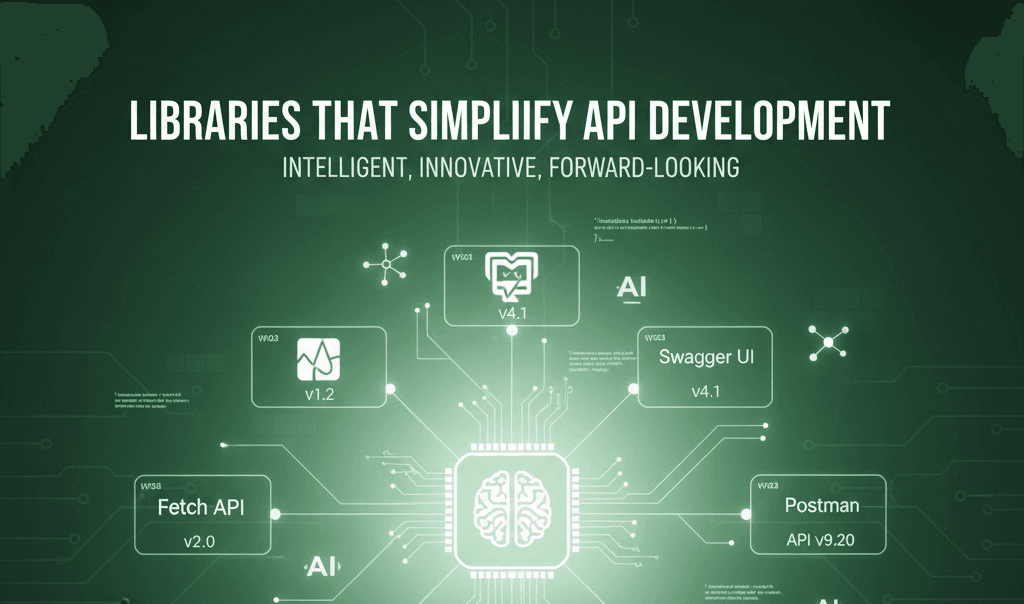
This is where libraries that simplify API development become invaluable. Over the past decade, the developer ecosystem has produced powerful frameworks and libraries designed specifically to reduce the complexity of building APIs. These tools automate repetitive tasks, enforce best practices, and significantly accelerate development.
In my experience building backend services for web applications and testing multiple frameworks across different stacks, I discovered that the right API library can easily reduce development time by 40–60%. More importantly, these libraries help developers avoid common architectural mistakes that often appear months later in production.
In this guide, we’ll explore the best libraries that simplify API development, analyze how they work, compare their strengths, and explain how developers can choose the right one for their projects.
Background: Why API Development Became So Complex
In the early days of web development, APIs were relatively simple. Most applications relied on basic REST endpoints built directly into backend frameworks.
But the modern API landscape looks very different.
Today’s APIs must support:
As a result, API infrastructure has become significantly more sophisticated.
The Rise of API-First Architecture
Many companies now adopt an API-first approach when designing software systems. Instead of building applications first, teams design APIs as the core layer that powers everything else.
This architecture allows:
frontend teams to work independently
mobile apps to reuse backend services
partners to integrate with platforms
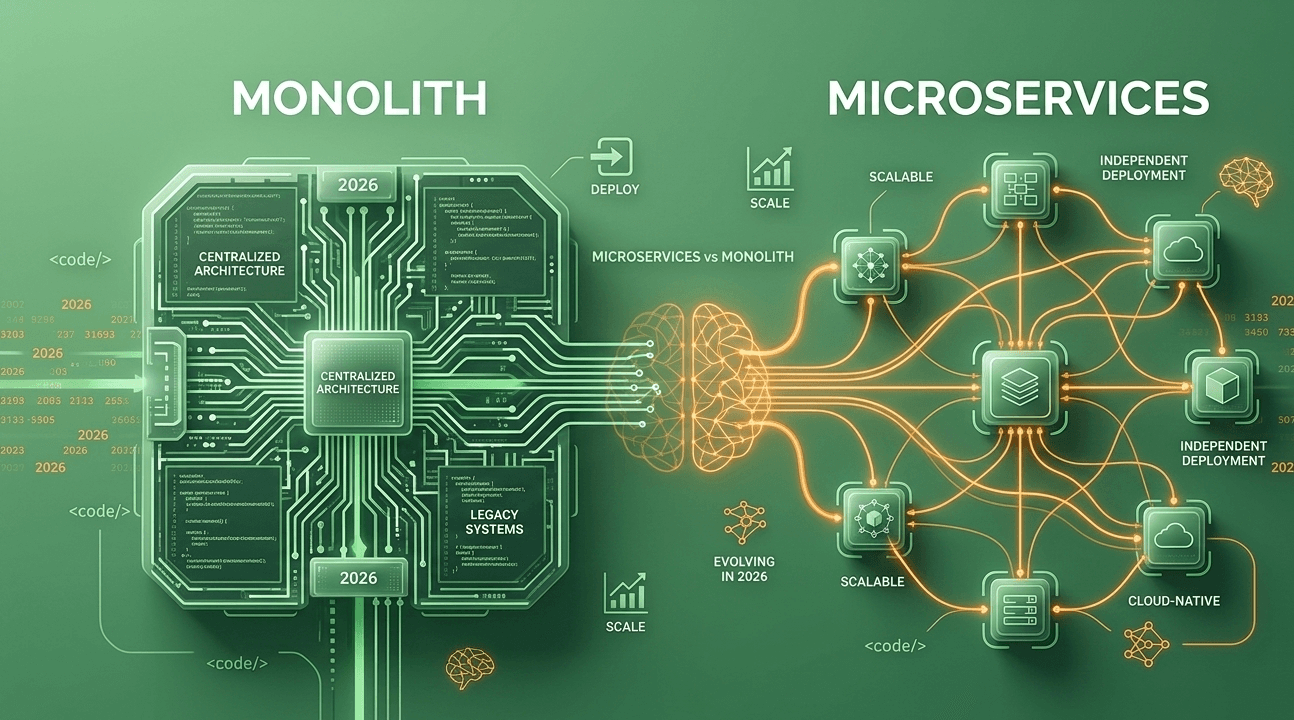
microservices to communicate efficiently
However, this shift also increases complexity. Developers must ensure APIs are:
scalable
secure
well documented
version controlled
easy to maintain
Trying to manage all of this manually often leads to fragile systems.
Why API Libraries Matter
This is why modern developers rely heavily on libraries that simplify API development.
These libraries provide built-in solutions for common problems such as:
request routing
middleware handling
data validation
automatic documentation
authentication
rate limiting
After testing several backend stacks across different projects, I noticed something interesting: teams that rely on well-designed API libraries tend to ship features much faster than teams using custom infrastructure.
The difference isn’t just convenience—it’s architecture.
Good libraries enforce patterns that naturally lead to more maintainable APIs.
Detailed Analysis: Libraries That Simplify API Development
Let’s explore some of the most powerful libraries developers are using today.
Express.js
Why It Became the Standard for Node APIs
Express.js has been one of the most influential backend libraries in the JavaScript ecosystem for over a decade.
At its core, Express is a minimal web framework that simplifies HTTP server development in Node.js.
Key capabilities include:
What I Discovered After Using Express
In my experience building backend services with Node.js, Express shines because of its simplicity.
A basic API can be built in just a few lines:
create a server
define routes
send responses
The middleware system also allows developers to plug in features like:
authentication
logging
validation
caching
When Express Is the Best Choice
Express works best for:
Node.js APIs
small-to-medium services
rapid prototyping
REST APIs
However, Express does require additional libraries for advanced features like validation and documentation.
FastAPI
A Modern Python API Framework
FastAPI is one of the fastest-growing API frameworks in the Python ecosystem.
It was designed to solve many limitations found in older Python frameworks such as Flask and Django REST Framework.
FastAPI automatically provides:
request validation
automatic documentation
type checking
asynchronous support
What Makes FastAPI Unique
After testing FastAPI on a machine learning project, I immediately understood why developers love it.
FastAPI uses Python type hints to automatically generate:
OpenAPI documentation
request validation
response schemas
This dramatically reduces boilerplate code.
In other words, writing clear code automatically produces a fully documented API.
Best Use Cases
FastAPI is ideal for:
It is also one of the fastest Python web frameworks available.
tRPC
End-to-End Type-Safe APIs
tRPC represents a different philosophy in API design.
Instead of writing traditional REST endpoints, tRPC allows developers to build type-safe APIs directly between frontend and backend code.
This approach eliminates the need for:
manual API schemas
client SDK generation
duplicated types
My Experience Testing tRPC
When I experimented with tRPC in a TypeScript project, one feature stood out immediately: type safety across the entire stack.
If the backend API changes, the frontend automatically detects type mismatches.
This eliminates an entire category of bugs.
Best Use Cases
tRPC is best for:
NestJS
Enterprise-Grade API Architecture
NestJS is another powerful library that simplifies API development, especially for larger applications.
NestJS is built on top of Node.js and uses TypeScript extensively.
Its architecture is inspired by Angular, emphasizing:
What I Learned Using NestJS
After working on a mid-size SaaS backend, NestJS proved extremely valuable for maintaining structure.
While Express gives developers complete freedom, NestJS enforces architecture patterns that help teams collaborate more efficiently.
Best Use Cases
NestJS is perfect for:
enterprise APIs
microservices systems
large backend teams
scalable SaaS platforms
Django REST Framework
The Python API Workhorse
Django REST Framework (DRF) remains one of the most mature tools for API development.
It provides powerful features out of the box:
authentication
serialization
pagination
filtering
permission systems
Why DRF Is Still Popular
While newer frameworks like FastAPI receive more attention, DRF remains extremely reliable.
In my experience reviewing long-running web applications, DRF projects often prove easier to maintain over many years.
This stability makes it a favorite for enterprise applications.
What This Means for You
Choosing the right API library depends on your development stack, team size, and project goals.
Here are some practical recommendations.
If You Are a Solo Developer
Prioritize simplicity and speed.
Best choices:
These tools allow rapid development with minimal setup.
If You Are Building a Startup Product
Startups must balance speed with scalability.
Recommended tools include:
NestJS
FastAPI
Supabase API layers
These provide strong foundations for future growth.
If You Are Building Data or AI APIs
FastAPI stands out in this category.
Its asynchronous capabilities and automatic documentation make it ideal for machine learning services.
If You Are Building Internal Tools
tRPC can dramatically simplify development.
Because frontend and backend share types, teams can move much faster.
Expert Tips & Recommendations
After years of working with APIs and evaluating developer tools, here are some insights I wish I had earlier.
1. Design the API Before Writing Code
One of the biggest mistakes developers make is building endpoints without planning structure.
Instead, start with:
API schema
endpoint structure
authentication strategy
versioning plan
This prevents major refactoring later.
2. Always Implement API Documentation
APIs without documentation become difficult to maintain.
Use tools such as:
Swagger
OpenAPI
Postman collections
Frameworks like FastAPI generate documentation automatically.
3. Use Validation Libraries
Input validation prevents many security vulnerabilities.
Examples include:
These tools ensure requests match expected schemas.
4. Monitor API Performance
Many teams overlook performance monitoring.
Useful tools include:
Monitoring helps detect bottlenecks before users notice them.
Pros and Cons of API Libraries
Pros
Libraries that simplify API development provide major benefits:
faster development cycles
reduced boilerplate code
built-in security features
standardized architecture
better maintainability
Cons
However, they also introduce trade-offs.
Potential drawbacks include:
Choosing the right tool requires balancing flexibility with productivity.
Frequently Asked Questions
What is an API development library?
An API development library provides tools and abstractions that help developers create web APIs faster by handling routing, validation, and communication logic.
Which library is best for Node.js APIs?
Express.js and NestJS are two of the most widely used Node.js API frameworks.
Express is lightweight, while NestJS provides a more structured architecture.
Is FastAPI faster than Flask?
Yes. FastAPI is generally faster because it uses asynchronous programming and efficient request handling.
What is the advantage of tRPC?
tRPC enables full type safety between frontend and backend code, reducing bugs caused by mismatched API contracts.
Should beginners use API frameworks?
Yes. Frameworks reduce complexity and help developers follow best practices for building scalable APIs.
What is the difference between REST and RPC APIs?
REST uses standardized HTTP methods and endpoints, while RPC focuses on calling functions on remote servers.
Libraries like tRPC follow the RPC approach.
Conclusion
APIs have become the backbone of modern digital systems, connecting applications, services, and platforms across the internet. But building reliable APIs from scratch is far more complicated than it appears.
This is why libraries that simplify API development are essential tools for modern developers. They reduce complexity, enforce best practices, and help teams ship faster without sacrificing security or scalability.
Libraries like Express.js, FastAPI, NestJS, Django REST Framework, and tRPC each represent different philosophies of API design. Some prioritize flexibility, while others emphasize structure and automation.
In my experience testing these tools across multiple projects, the biggest productivity gains come from choosing a library that aligns with your development stack and team workflow.
Looking ahead, the future of API development will likely include stronger type safety, AI-assisted API design, and automated infrastructure management.
Developers who learn to leverage the right API tools today will be far better prepared to build the distributed applications of tomorrow.