For nearly two decades, REST APIs have been the backbone of modern web development. From mobile apps to enterprise systems, REST-based architectures have powered everything from social networks to e-commerce platforms. However, in recent years a new approach has been gaining serious traction: GraphQL.
The debate around GraphQL vs REST APIs has become one of the most important discussions in modern backend development. Many developers are now asking a critical question: should new applications still rely on REST, or is GraphQL the future of API design?
In my experience building and testing APIs for both startup projects and enterprise platforms, the answer isn’t as simple as choosing one over the other. While GraphQL offers powerful flexibility and efficiency, REST remains extremely reliable, scalable, and widely adopted.
After experimenting with both architectures across different use cases—mobile apps, SaaS dashboards, and microservice systems—I discovered something interesting: the real story isn’t that GraphQL will replace REST. Instead, we’re witnessing a shift toward hybrid API architectures where both technologies play specific roles.
In this article, we’ll explore the current development trends shaping the GraphQL vs REST APIs debate, examine their strengths and weaknesses, and provide practical guidance for developers deciding which approach to use in 2026 and beyond.
Background: How REST and GraphQL Became Competing API Standards
To understand the current GraphQL vs REST APIs debate, we need to look at how each technology evolved.
The Rise of REST APIs
REST (Representational State Transfer) was introduced in the early 2000s as a way to standardize communication between web services.
REST quickly became popular because it aligned perfectly with HTTP.
Typical REST API characteristics include:
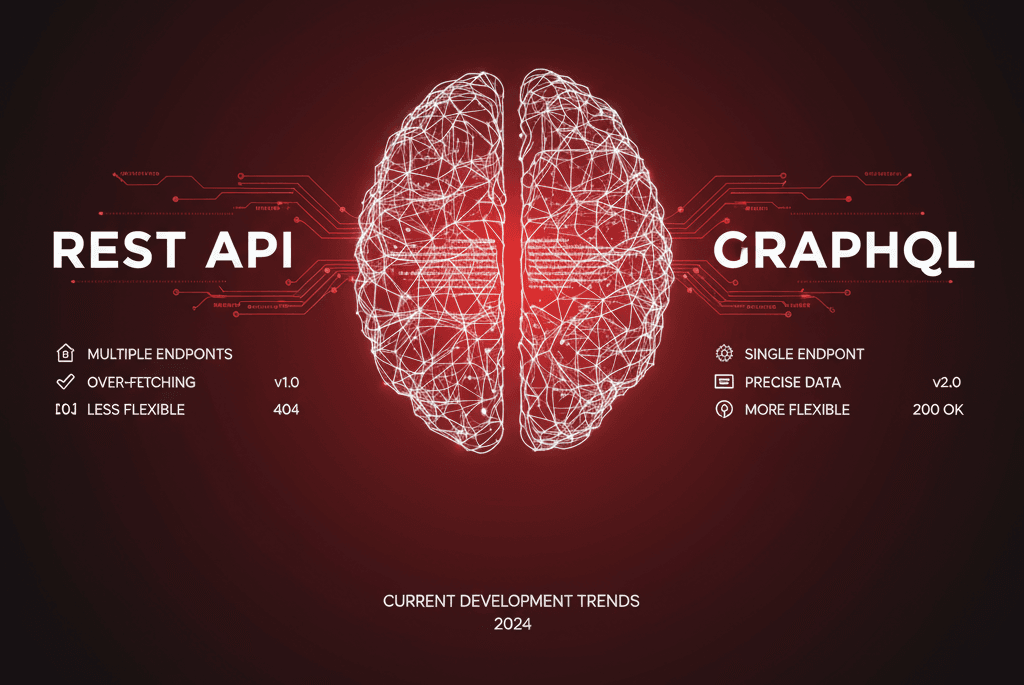
Multiple endpoints
Resource-based architecture
Standard HTTP methods (GET, POST, PUT, DELETE)
Stateless communication
For example:
GET /users
GET /users/5
GET /users/5/orders
Each endpoint returns a predefined data structure.
In my experience developing REST APIs for SaaS platforms, this approach works extremely well for predictable systems with stable data models.
However, REST has a limitation that became more noticeable as applications grew more complex.
The Problems REST Began to Face
As frontend frameworks and mobile apps became more sophisticated, developers started encountering two major issues:
Over-fetching
A REST endpoint often returns more data than the client needs.
Example:
GET /user/5
This may return:
name
email
address
phone
preferences
activity history
But the frontend might only need the user's name.
Under-fetching
Sometimes the client needs data from multiple endpoints.
Example:
GET /users/5
GET /users/5/orders
GET /orders/22/items
Multiple requests slow down applications.
These issues became especially problematic for mobile apps where network performance matters.
The Introduction of GraphQL
GraphQL was created by Facebook in 2012 and publicly released in 2015.
Instead of multiple endpoints, GraphQL uses a single endpoint where the client specifies exactly what data it needs.
Example query:
{
  user(id: 5) {
    name
    orders {
      id
      price
    }
  }
}
The server returns only the requested data.
When I first tested GraphQL in a mobile dashboard project, I immediately noticed how efficient data fetching became.
Instead of three or four API calls, the frontend could retrieve everything in one query.
That efficiency is one reason why GraphQL adoption has grown significantly.
Detailed Analysis: Key Differences Between GraphQL and REST
Let’s break down the core differences that define the GraphQL vs REST APIs conversation today.
API Architecture
REST Structure
REST APIs use multiple endpoints.
Example:
/products
/products/1
/products/1/reviews
Each endpoint represents a specific resource.
REST architecture works extremely well for:
In my experience, REST endpoints are easier for new developers to understand.
GraphQL Structure
GraphQL uses a single endpoint and allows clients to define the data they want.
Example:
POST /graphql
Query:
{
  product(id:1) {
    name
    price
    reviews {
      rating
    }
  }
}
The server processes the query and returns structured results.
This approach gives the frontend much more control.
Performance and Efficiency
One of the biggest reasons developers consider GraphQL is performance.
REST Performance
REST APIs can require multiple network requests.
This increases:
latency
server load
mobile data usage
However, REST can be optimized using:
caching
pagination
batching
After optimizing several REST APIs, I found that performance problems often come from poor API design rather than REST itself.
GraphQL Performance
GraphQL reduces network requests by allowing clients to fetch all required data in one query.
However, GraphQL introduces other challenges.
Complex queries can sometimes:
This is something many tutorials don’t mention.
In real production environments, poorly optimized GraphQL queries can become performance bottlenecks.
Developer Experience
GraphQL significantly improves developer experience in some cases.
Advantages for Frontend Developers
Frontend developers benefit from:
flexible data queries
faster UI development
fewer backend changes
When I built a React dashboard using GraphQL, frontend development became noticeably faster.
The frontend team could adjust queries without waiting for backend changes.
Advantages for Backend Developers
Backend developers often prefer REST because:
it’s predictable
it scales easily
it’s easier to cache
Large enterprise systems still rely heavily on REST for this reason.
API Evolution and Versioning
REST APIs usually require versioning.
Example:
/api/v1/users
/api/v2/users
GraphQL handles evolution differently.
Instead of versioning, developers simply:
add new fields
deprecate old ones
This allows APIs to evolve without breaking clients.
In long-term projects, this flexibility can save significant development time.
What This Means for You
The GraphQL vs REST APIs decision depends heavily on your project’s needs.
Let’s explore real-world implications.
For Startup Developers
Startups often need rapid development.
GraphQL helps because:
However, startups with small backend teams might still prefer REST because of its simplicity.
For Enterprise Systems
Large companies often prioritize stability.
REST works well for:
Many enterprise platforms still rely heavily on REST architectures.
For Mobile Applications
Mobile apps benefit greatly from GraphQL because it reduces network requests.
This improves:
performance
battery usage
user experience
Apps like Facebook and Shopify use GraphQL heavily.
For Microservices
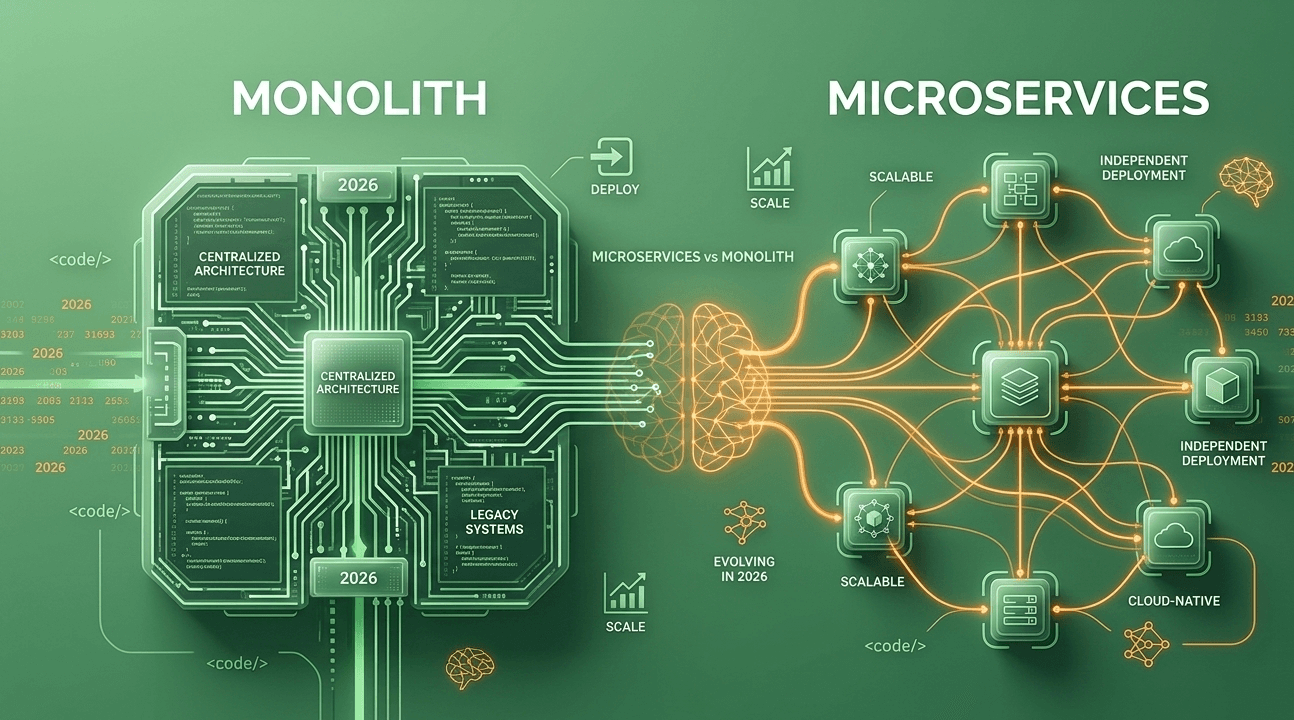
In microservice environments, many teams adopt a hybrid architecture.
Example:
In my experience, this approach combines the strengths of both technologies.
Comparison: GraphQL vs REST APIs
Let’s summarize the major differences.
REST APIs
Strengths:
simple architecture
mature ecosystem
strong caching support
easier monitoring
Weaknesses:
GraphQL
Strengths:
flexible queries
reduced network calls
better frontend control
no versioning required
Weaknesses:
Expert Tips & Recommendations
After working with both technologies, here are some practical recommendations.
1. Choose REST for Simple APIs
If your application involves straightforward CRUD operations, REST is usually the better choice.
Examples:
internal tools
simple SaaS products
small backend systems
2. Use GraphQL for Complex Data Requirements
GraphQL shines when the frontend needs dynamic data structures.
Examples:
dashboards
social networks
mobile apps
analytics platforms
3. Implement Query Limits
GraphQL servers should limit query complexity to prevent abuse.
Recommended strategies:
query depth limits
rate limiting
caching layers
4. Consider Hybrid Architectures
Many modern systems combine both approaches.
Example architecture:
This approach offers flexibility without sacrificing stability.
Pros and Cons of the GraphQL Trend
Pros
The growing adoption of GraphQL offers major advantages:
These benefits make GraphQL attractive for modern applications.
Cons
However, GraphQL introduces complexity.
Challenges include:
difficult debugging
complex server logic
security concerns
monitoring challenges
Developers must carefully manage these issues.
Frequently Asked Questions
Is GraphQL replacing REST APIs?
No. REST remains extremely popular and widely used. Most systems today still rely on REST architecture.
Why do companies adopt GraphQL?
Companies use GraphQL to improve frontend flexibility and reduce the number of API calls needed for complex interfaces.
Is GraphQL faster than REST?
It depends on the use case. GraphQL can reduce network requests, but poorly optimized queries may reduce performance.
Is GraphQL harder to learn?
GraphQL introduces new concepts like schemas and resolvers, which may require additional learning compared to REST APIs.
Should beginners learn REST or GraphQL first?
Most developers should start with REST because it’s simpler and widely used.
Once comfortable with APIs, learning GraphQL becomes much easier.
Do big companies use GraphQL?
Yes. Companies like Facebook, Shopify, and GitHub use GraphQL extensively in their platforms.
Conclusion
The GraphQL vs REST APIs debate reflects a broader shift in how modern applications are built. As user interfaces become more dynamic and data-driven, developers need more flexible ways to access backend data.
GraphQL provides that flexibility, enabling clients to request exactly what they need and nothing more. However, REST remains an incredibly powerful and reliable architecture that continues to power millions of APIs worldwide.
In my experience working with both technologies, the smartest approach isn’t choosing one over the other—it’s understanding when each tool is appropriate.
For simple systems, REST remains the fastest and most reliable solution. For complex applications with dynamic data needs, GraphQL can dramatically improve development efficiency.
The future of API development will likely involve hybrid architectures, where REST and GraphQL coexist, each serving the role they perform best.
Developers who understand both technologies will be best positioned to build the scalable, flexible systems powering the next generation of software.