The rapid evolution of web technologies has created demand for frameworks that are fast, scalable, and developer-friendly. Among the many solutions available today, Next.js stands out as one of the most powerful and influential frameworks in modern web development. Built on top of React, Next.js enables developers to build production-ready applications with optimized performance, flexible rendering strategies, and enterprise-grade scalability.
What makes Next.js especially powerful is its ability to bridge the gap between frontend and backend development. By offering features such as server-side rendering, static site generation, and full-stack API handling, Next.js has become a preferred choice for startups, enterprises, and individual developers alike.
Understanding Next.js as a Modern Framework
Next.js is a React-based framework designed to simplify the process of building fast and scalable web applications. Unlike traditional React setups that rely heavily on client-side rendering, Next.js introduces multiple rendering approaches that adapt to different application needs.
These rendering models include:
Server-Side Rendering (SSR) for dynamic, data-driven pages
Static Site Generation (SSG) for highly optimized, prebuilt content
Incremental Static Regeneration (ISR) for updating static pages at runtime
Client-Side Rendering (CSR) where appropriate
This flexibility allows developers to choose the best strategy for each page, improving performance, SEO, and user experience.
Performance Optimization as a Core Strength
Performance is one of the most powerful aspects of the Next.js framework. It offers built-in optimizations that remove the need for complex manual configurations.
Key performance advantages include:
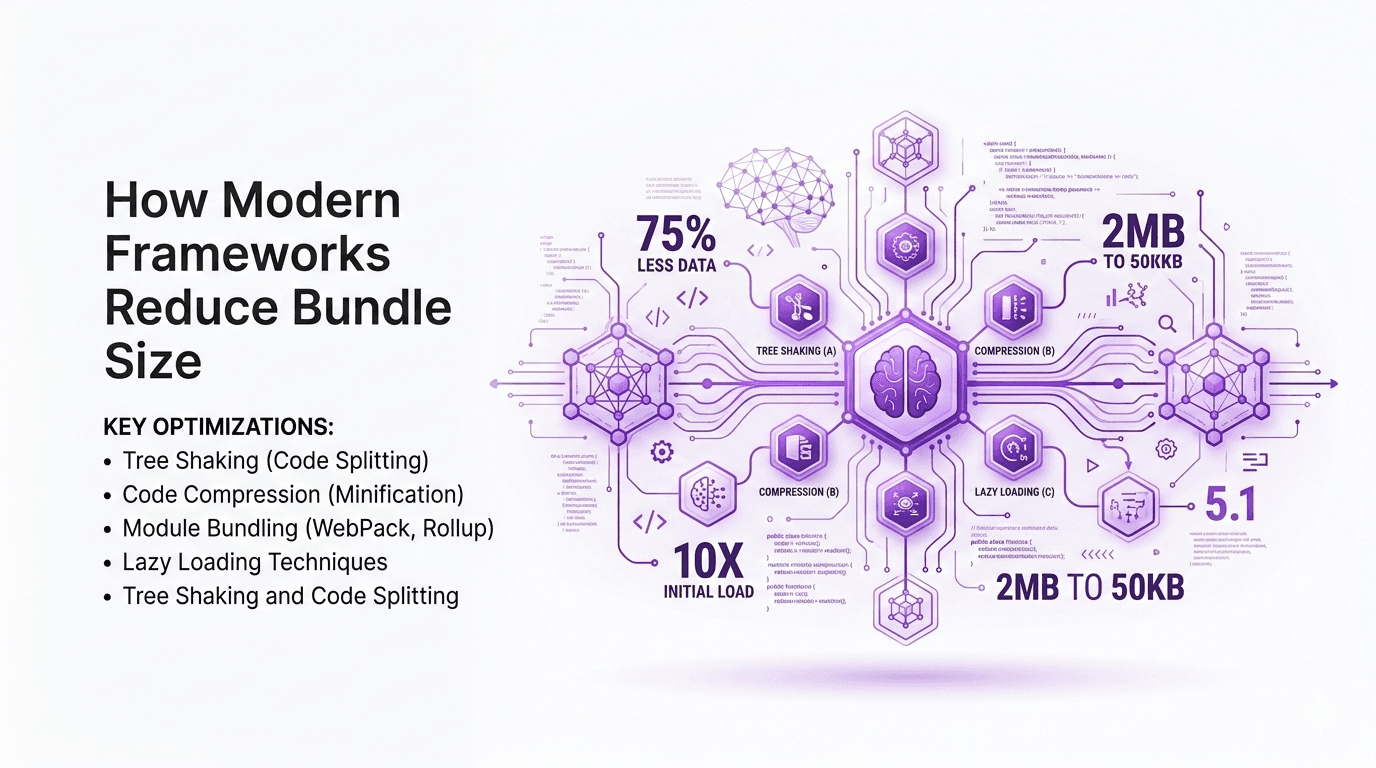
Automatic code splitting, ensuring users load only what they need
Image optimization, delivering responsive and efficient images
Font optimization, reducing layout shifts and improving load times
Prefetching and caching, speeding up navigation across pages
These optimizations directly impact page speed, which is a critical factor for user retention, search engine rankings, and overall application reliability.
SEO-Friendly by Design
Search engine optimization is often a challenge for single-page applications. Next.js addresses this issue at its core by supporting server-side and static rendering, allowing content to be indexed easily by search engines.
Developers can define page-level metadata, structured layouts, and dynamic content while still maintaining fast load times. This makes Next.js an ideal framework for:
By combining React’s flexibility with SEO-friendly rendering, Next.js empowers developers to build applications that perform well both technically and commercially.
Full-Stack Capabilities in a Single Framework
One of the defining strengths of Next.js is its ability to function as a full-stack framework. With built-in API routes and server components, developers can handle backend logic directly within the same project structure.
This unified approach offers several benefits:
Reduced reliance on separate backend services
Faster development cycles
Simplified deployment workflows
Better alignment between frontend and backend logic
By enabling server-side data fetching and backend operations, Next.js reduces complexity while increasing productivity.
Scalability for Enterprise Applications
Next.js is not limited to small or medium-sized projects. Its architecture supports large-scale, enterprise-grade applications with ease. Features such as middleware, edge rendering, and modular routing enable applications to scale without sacrificing performance.
Large teams benefit from:
Clear project structure
Reusable components and layouts
Predictable routing and file-based conventions
Easy integration with cloud infrastructure
These characteristics make Next.js a strong choice for organizations building long-term digital platforms.
Developer Experience and Productivity
Another powerful aspect of Next.js is its focus on developer experience. The framework provides sensible defaults, modern tooling, and excellent documentation, allowing developers to focus on building features rather than configuring environments.
Key productivity features include:
Hot reloading for instant feedback
File-based routing for simplicity
Built-in TypeScript support
Seamless integration with modern tooling
This emphasis on ease of use accelerates onboarding and reduces development friction, particularly for teams working under tight deadlines.
Security and Reliability
Next.js includes several built-in security enhancements that help protect applications from common vulnerabilities. Server-side rendering reduces exposure to client-side attacks, while controlled data fetching and API handling minimize risks associated with improper data access.
Combined with modern authentication strategies and environment configuration, Next.js provides a stable and secure foundation for production applications.
Use Cases Across Industries
The versatility of Next.js allows it to be applied across multiple industries and application types, including:
Its adaptability makes it suitable for both rapid prototyping and long-term enterprise systems.
Future-Ready Architecture
As web development continues to evolve, Next.js remains future-ready by adopting emerging standards such as server components, edge computing, and improved data fetching mechanisms. This forward-thinking approach ensures that applications built with Next.js remain relevant and maintainable over time.
Conclusion
The powerful use of the Next.js framework lies in its ability to combine performance, scalability, and developer efficiency into a single, cohesive platform. By offering flexible rendering strategies, full-stack capabilities, and built-in optimizations, Next.js has redefined how modern web applications are built.
For developers and organizations seeking a robust, future-proof solution for web development, Next.js stands as one of the most compelling frameworks available today. Its continued evolution and widespread adoption highlight its importance in shaping the next generation of web experiences.