In the rapidly evolving world of web development, frameworks play a critical role in accelerating development while maintaining code quality and security. Among the many backend frameworks available today, Laravel has emerged as one of the most powerful and widely adopted PHP frameworks. Known for its elegant syntax, robust ecosystem, and developer-friendly features, Laravel enables the creation of modern, secure, and scalable web applications.
Laravel simplifies complex development tasks by offering a clean architecture, built-in tools, and standardized workflows. This has made it a preferred choice for startups, enterprises, and independent developers alike.
Understanding Laravel’s Core Philosophy
Laravel is built around the principle of developer happiness. Its expressive syntax reduces boilerplate code and improves readability, allowing developers to focus on business logic rather than repetitive technical tasks. At its core, Laravel follows the Model-View-Controller (MVC) architecture, which enforces a clear separation of concerns and improves maintainability.
This architectural clarity allows applications to scale efficiently as codebases grow. By structuring logic, presentation, and data access separately, Laravel promotes clean coding practices that are essential for long-term projects.
Rapid Development With Built-In Tools
One of the most powerful aspects of the Laravel framework is its extensive set of built-in tools that accelerate development. Laravel includes features that would otherwise require third-party libraries or complex configurations.
Key development tools include:
Routing system with expressive syntax
Authentication and authorization mechanisms
Database migrations and seeders
Task scheduling and background job handling
Command-line tooling for automation
These features drastically reduce development time while maintaining high code quality.
Robust Security Features
Security is a major concern for modern web applications, and Laravel addresses this with multiple built-in protections. The framework includes safeguards against common vulnerabilities, helping developers build secure systems without additional complexity.
Laravel’s security strengths include:
Protection against SQL injection through ORM
Cross-site request forgery (CSRF) prevention
Secure password hashing and encryption
Role-based authorization policies
Input validation and sanitization
By embedding security directly into the framework, Laravel ensures safer applications by default.
Powerful Database Management With Eloquent ORM
Laravel’s Eloquent ORM is one of its most celebrated features. It provides an intuitive and expressive way to interact with databases using object-oriented syntax rather than complex SQL queries.
Eloquent enables:
Easy relationship management between models
Clean and readable database queries
Automatic handling of timestamps
Simplified pagination and filtering
This abstraction improves developer productivity while reducing the risk of errors in database operations.
Scalability and Performance Optimization
Laravel is designed to scale from small applications to large enterprise systems. Its modular structure allows developers to break applications into reusable components, making growth manageable and efficient.
Performance optimization features include:
Caching mechanisms for routes, queries, and views
Queue systems for handling background tasks
Load balancing support
Efficient session handling
These features make Laravel suitable for high-traffic applications and complex workflows.
Full-Stack Development Capabilities
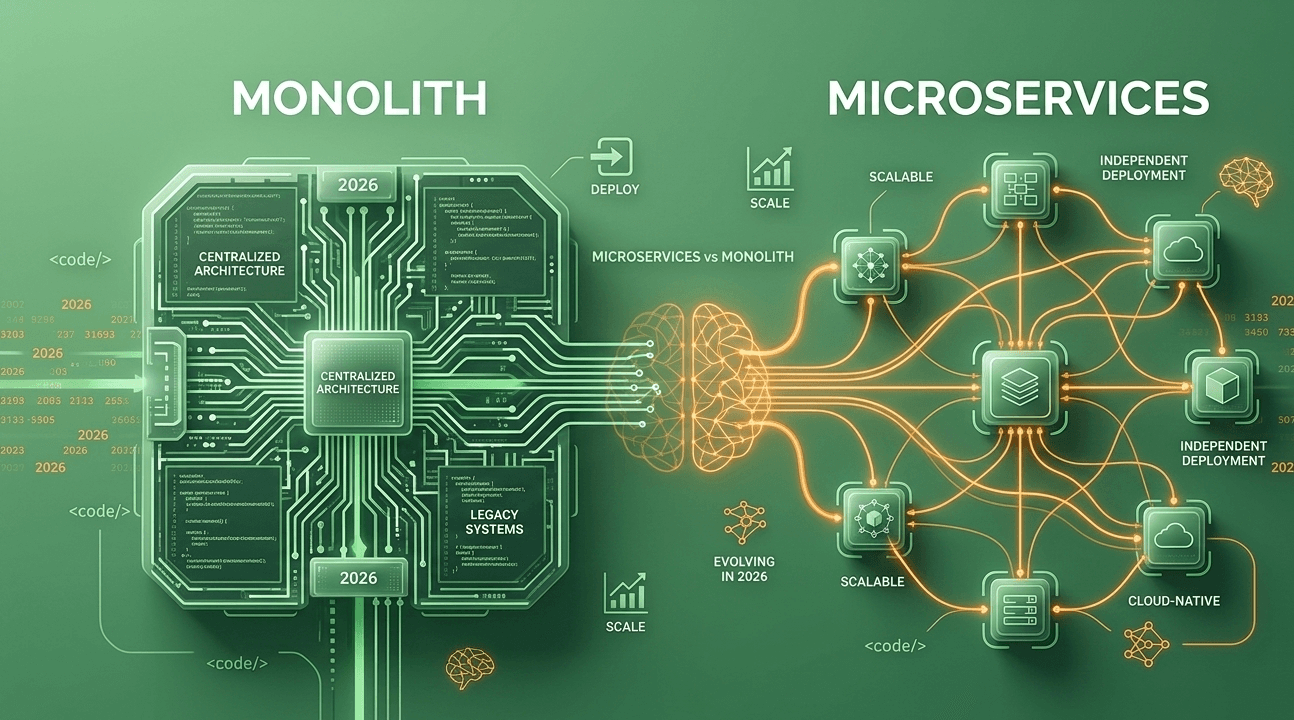
Laravel is not limited to backend logic alone. With built-in templating engines and API support, it supports full-stack development seamlessly. Developers can create dynamic user interfaces, RESTful APIs, and microservices within the same ecosystem.
This versatility allows Laravel to power:
The framework’s adaptability makes it a strong foundation for modern digital platforms.
Testing and Maintainability
Laravel places a strong emphasis on testing and maintainability. It supports automated testing out of the box, encouraging developers to write reliable and predictable code.
Testing benefits include:
Unit and feature testing support
Database transaction rollbacks during tests
Mocking tools for dependencies
Clean separation of test environments
These capabilities help ensure application stability as new features are introduced.
Community and Ecosystem Strength
Another powerful aspect of Laravel is its vast ecosystem and active community. A wide range of official packages and extensions enhances functionality without reinventing the wheel.
This ecosystem contributes to:
The presence of an engaged community ensures that Laravel continues to evolve alongside modern development needs.
Developer Experience and Productivity
Laravel prioritizes an enjoyable development experience. Its clear documentation, intuitive syntax, and powerful tooling reduce learning curves and onboarding time for new developers.
Features that enhance productivity include:
Clean project structure
Readable and expressive syntax
Efficient error handling and debugging tools
Seamless environment configuration
This focus on productivity makes Laravel especially appealing for teams aiming to deliver high-quality applications quickly.
Future-Proof Architecture
Laravel continues to evolve with modern development trends, embracing cloud-native practices, API-driven architectures, and improved performance techniques. Its commitment to backward compatibility and long-term support ensures that applications remain stable over time.
Conclusion
The powerful use of the Laravel framework lies in its ability to combine elegance, security, and scalability into a single cohesive platform. By offering robust built-in tools, strong security features, and an exceptional developer experience, Laravel empowers developers to build modern web applications efficiently and confidently.
Whether developing a small business website or a large enterprise platform, Laravel remains a trusted and future-ready framework for web development.